You Won’t Believe What Dahab Hides Beyond the Beaches
Dahab, Egypt isn’t just turquoise waters and desert skies—there’s a deeper rhythm here, one that pulses beneath the surface. I didn’t expect to fall for its soul, not just its scenery. From quiet meditation corners to underground art scenes, Dahab reveals itself in layers. This isn’t a typical beach getaway; it’s a place where culture, adventure, and stillness collide. Let me take you through the theme areas that transformed my trip from ordinary to unforgettable.
The Coastal Pulse: Life Along the Lagoon
Dahab’s Blue Lagoon is more than a scenic marvel—it is a living ecosystem and a cultural anchor for the town. Known globally among divers and snorkelers, the lagoon features a natural coral bridge that shelters vibrant marine life, including parrotfish, angelfish, and occasional reef sharks. Its calm, shallow waters make it ideal for beginners, while deeper sections attract advanced divers seeking underwater clarity and biodiversity. What sets this lagoon apart is not just its beauty, but how seamlessly it integrates into daily life. Locals gather at dawn to swim, fish, or simply sit on the rocks with mint tea, observing the sunrise paint the water in gold and turquoise.
Tourism thrives here, yet Dahab has managed to preserve a sense of authenticity rarely found in popular coastal destinations. Unlike crowded resorts elsewhere in Egypt, the lagoon maintains a low-key atmosphere. Vendors sell handmade bracelets and cold coconut water from shaded stalls, and dive centers operate with a personal touch—many family-run, with instructors who’ve taught generations of visitors. Water sports are abundant, from windsurfing and kitesurfing to stand-up paddleboarding, but there’s never a feeling of overcrowding. The rhythm of the lagoon remains gentle, shaped by natural tides and human respect for balance.
What visitors often overlook is how the lagoon supports environmental awareness. Conservation efforts are quietly woven into the tourism experience. Many dive operators participate in coral monitoring and clean-up dives, educating guests about marine protection without turning it into a performance. Snorkelers are gently reminded not to touch the coral, and single-use plastics are increasingly discouraged. This subtle stewardship reflects a community invested in long-term sustainability rather than short-term profit. For the traveler, this means enjoying a pristine environment while contributing to its preservation simply by choosing responsible operators.
The shoreline itself tells a story of coexistence. Beachfront cafes serve fresh lemon-mint drinks and grilled fish on wooden tables just steps from the water. Families picnic under palm shades, and solo travelers journal in hammocks strung between trees. There’s no pressure to spend or perform—just space to be. The lagoon doesn’t demand attention; it invites presence. Whether you’re floating in the warm shallows or watching a local fisherman mend his net, the message is the same: here, life moves with the water, not against it.
Desert Whispers: The Sinai Backdrop
Beyond the shimmering coast lies a landscape of quiet grandeur—the Sinai Mountains, a rugged expanse of ochre cliffs, wadi valleys, and ancient rock formations. This desert is not empty; it is alive with history, spirituality, and ecological resilience. For centuries, the Bedouin people have navigated these arid pathways, living in harmony with the land. Their knowledge of water sources, medicinal plants, and seasonal shifts remains integral to life in Dahab. Today, visitors can experience this heritage through guided desert treks that honor both safety and tradition.
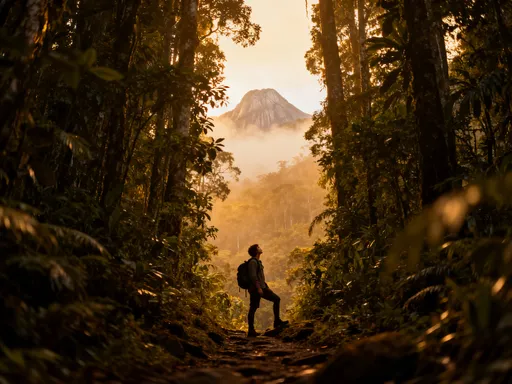
One of the most transformative experiences is a sunrise hike to the summit of Jebel Khadra or into the nearby Wadi Sudr. As the first light spills over the mountain ridges, the desert transforms from shadowed mystery to radiant warmth. The silence is profound—no engines, no voices, just the crunch of gravel underfoot and the occasional call of a desert fox. These moments offer a rare kind of clarity, a mental reset that no urban retreat can replicate. Many travelers describe feeling both small and deeply connected, as if the vastness of the desert puts life into perspective.
Stargazing in the Sinai desert is another unparalleled experience. Far from city lights, the night sky unfolds in breathtaking detail. The Milky Way arcs across the heavens, and shooting stars are common on clear nights. Local guides often combine astronomy with storytelling, sharing Bedouin constellations and legends passed down through generations. These gatherings are not performances but invitations to participate in a living culture. Sitting around a low fire, wrapped in a woolen shawl, sipping sage tea—this is where time slows and connection deepens.
Eco-retreats nestled in the wadis offer another way to engage with the desert. These small, solar-powered accommodations blend into the landscape, using natural materials and low-impact design. Guests sleep in domed tents or stone cabins, wake to the sound of wind over rock, and enjoy meals made from local ingredients. Some retreats offer silent mornings, meditation circles, or breathwork sessions designed to align with the desert’s energy. These spaces are not about luxury, but about presence—about remembering what it feels like to live simply and intentionally.
Spiritual Currents: Wellness and Mindfulness Hubs
Dahab has quietly evolved into a global destination for wellness, not because of flashy spas or celebrity endorsements, but because of its natural serenity and authentic energy. Yoga studios dot the town, from open-air shalas overlooking the sea to desert retreat centers offering multi-day immersions. What distinguishes Dahab’s wellness scene is its rootedness in place. Classes often begin with gratitude for the land, and instructors incorporate local traditions—such as breathing techniques inspired by desert rhythms or sound healing using handcrafted instruments.
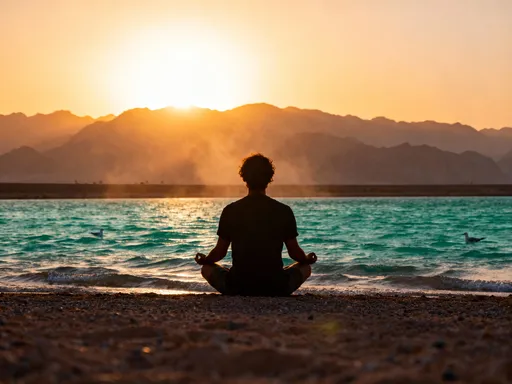
Meditation is woven into the fabric of daily life. Early morning sessions on the beach are common, with groups gathering at low tide to sit in silence as the sun rises. Some centers host full moon meditations, where participants walk barefoot along the shore, setting intentions under the lunar glow. These gatherings are open to all, regardless of experience, and emphasize inclusivity over exclusivity. There’s no pressure to perform or speak—just space to be, to listen, to breathe.
Workshops on mindfulness, energy healing, and emotional release are regularly offered by both local practitioners and visiting teachers. Many are grounded in holistic principles, blending ancient wisdom with modern psychology. A typical retreat might include journaling, movement, and circle sharing, all designed to help participants reconnect with themselves. The goal is not to escape life, but to return to it with greater awareness and compassion.
What makes Dahab’s wellness culture sustainable is its integration with the community. Many centers partner with local artisans, serve organic meals from nearby farms, and donate a portion of proceeds to environmental or social causes. This ensures that the benefits of wellness tourism extend beyond the individual traveler. For visitors, this means their journey of healing also supports the well-being of the town itself. In Dahab, self-care and community care are not separate—they are part of the same current.
Creative Edges: Art, Music, and Underground Culture
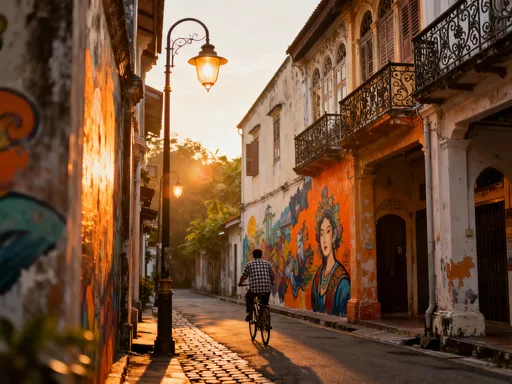
Beneath the surface of tourist pathways, Dahab pulses with creative energy. In narrow alleys and seaside cabanas, artists, musicians, and craftspeople gather to share their work. This is not a commercialized art scene, but a grassroots expression of identity and connection. Hand-painted signs, mosaic benches, and woven tapestries appear unexpectedly, transforming ordinary spaces into galleries of lived experience. The town’s creative spirit is spontaneous, inclusive, and deeply human.
Music is a central thread. Reggae and acoustic nights are common, often held in open-air venues where sand replaces flooring and stars replace lights. Local bands blend Middle Eastern melodies with global rhythms, creating a sound that feels both familiar and new. These gatherings are informal—sometimes announced only hours in advance—but they draw crowds who come not to party, but to feel. The music isn’t loud or frantic; it’s steady, grounding, like a heartbeat beneath the night.
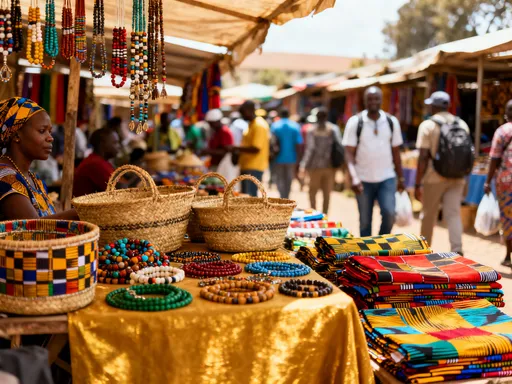
Markets and pop-up shops showcase handmade jewelry, leather goods, and textile art. Many pieces incorporate natural elements—coral beads, desert stones, indigo dyes—each carrying a story of origin. Artisans often sit beside their work, ready to chat about their process or the meaning behind a design. This direct connection between creator and visitor fosters trust and appreciation. Buying a bracelet isn’t just a transaction; it’s a small exchange of energy, a moment of recognition.
What’s remarkable is how this culture resists commodification. There are no mass-produced souvenirs or chain stores. Even the most popular artists keep their prices fair and their presence humble. The creative scene thrives not because it attracts tourists, but because it sustains itself through genuine expression. For the traveler, this means encountering art that feels real—art that wasn’t made for a market, but for a moment, a feeling, a conversation.
Flavors of the South: A Taste of Authentic Sinai
To know Dahab is to taste it. Beyond the familiar falafel and hummus, the town offers a culinary journey rooted in Bedouin tradition and coastal abundance. Local eateries—often simple, family-run spaces with plastic chairs and handwritten menus—serve dishes that speak of generosity and care. One such staple is zarb, a traditional Bedouin meal cooked underground using hot stones. Lamb, chicken, and vegetables are sealed in a metal drum and left to slow-cook for hours, emerging tender and fragrant. Sharing a zarb meal is not just about eating; it’s about gathering, storytelling, and honoring the land’s gifts.
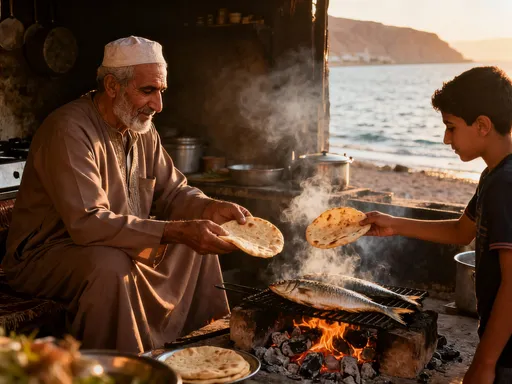
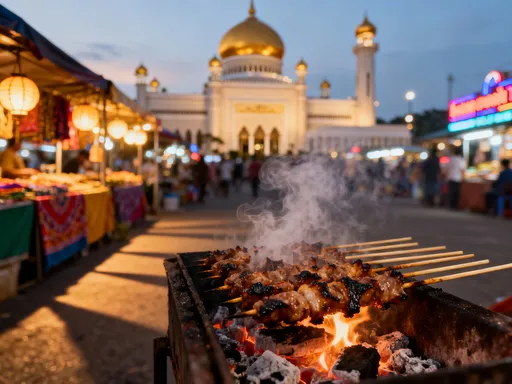
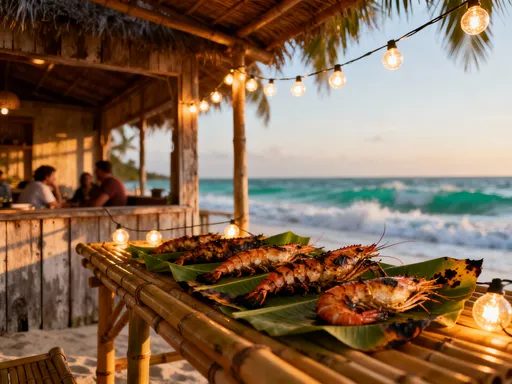
Seafood is another cornerstone. At small grills along the shore, fishermen prepare the day’s catch with minimal seasoning—just lemon, garlic, and a touch of olive oil. Grilled hammour, kingfish, and prawns arrive on metal trays, accompanied by warm pita and a salad of cucumber, tomato, and parsley. There’s no pretense, no presentation for photos—just food that tastes like the sea and the sun. Many visitors find these meals among the most memorable of their trip, not because they’re exotic, but because they’re honest.
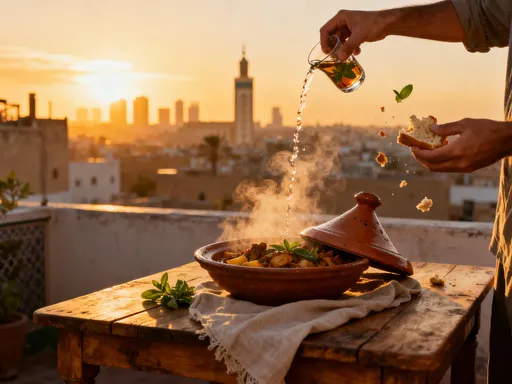
Tea is a ritual. Bedouin tea, brewed strong with fresh mint and generous sugar, is offered freely in homes, shops, and even on the beach. It’s never rushed; the act of pouring and sharing is part of the experience. Sitting cross-legged on a mat, accepting a small glass of hot, sweet tea from a local elder—these moments create bridges across language and culture. Tea is not just a drink; it’s a gesture of welcome, a sign of trust.
Cooking classes and food walks are available for those who want to go deeper. These experiences take participants to local markets, family kitchens, and seaside stalls, offering insight into how food shapes daily life. You might learn to grind spices by hand, knead dough for markook bread, or prepare a simple mezze spread. The focus is not on perfection, but on participation. In Dahab, food is not just sustenance—it’s connection, memory, and love made tangible.
Community Threads: Living Like a Local
Dahab’s heart beats in its people. Shop owners wave to regulars by name. Dive instructors remember their students’ fears and progress. Tea makers pour extra sugar for tired travelers. This sense of familiarity is not performative; it’s the result of a community that values relationships over transactions. Many residents have lived here for generations, while others—expats and travelers—have stayed for years, drawn by the town’s rhythm and openness.
Small-scale tourism supports sustainable livelihoods. A dive shop owner might also guide desert treks. A yoga teacher could run a community garden. These overlapping roles create a resilient local economy, one less vulnerable to seasonal fluctuations. Visitors who engage respectfully—by learning a few Arabic phrases, supporting family-run businesses, or simply listening—often find doors opening in unexpected ways. An invitation to a home meal, a spontaneous music session, a quiet walk with a local elder—these are the gifts of genuine connection.
The town’s size fosters intimacy. With a permanent population of just over 7,000, Dahab remains human-scaled. You can walk from one end to the other in under an hour. This allows for a kind of serendipity rare in larger destinations—running into someone you met days ago, stumbling upon a hidden garden, being remembered. For many visitors, especially women traveling alone, this creates a sense of safety and belonging.
Respect is the foundation of this relationship. Locals appreciate when visitors dress modestly, ask before taking photos, and honor cultural norms. In return, they offer warmth, guidance, and inclusion. This mutual care strengthens the fabric of the town, ensuring that tourism enriches rather than erodes. To live like a local in Dahab is not to pretend to be one, but to honor the space you’re in and the people who steward it.
Journey’s Rhythm: Planning Your Deep Dive into Dahab
Planning a trip to Dahab with intention transforms the experience from sightseeing to soul-seeing. The best time to visit is between October and April, when temperatures are mild—ranging from 20°C to 28°C—and the sea is calm. Summer months can be extremely hot, though less crowded, making them suitable for those seeking solitude. Flights to Sharm El-Sheikh are widely available, and from there, a one-hour transfer by car or shared shuttle brings you to Dahab. The journey itself offers a preview of the landscape—passing desert plains, coastal cliffs, and occasional Bedouin encampments.
Accommodation options reflect the town’s diversity. Budget travelers can find cozy guesthouses and eco-lodges, often with rooftop terraces and communal kitchens. Mid-range choices include family-run hotels with sea views and personalized service. For those seeking privacy and comfort, a few boutique villas and beachfront bungalows offer a quiet retreat without isolation. The key is choosing a place that aligns with your travel style—whether you want social interaction or peaceful solitude.
To truly connect, structure your days around themes rather than checklists. Dedicate one day to water—diving, snorkeling, or simply floating in the lagoon. Another to land—hiking, stargazing, or visiting a desert garden. A third to culture—cooking, music, or craft-making. Slow travel allows you to absorb the rhythm of the place, to notice small details: the way light shifts on the water at dusk, the pattern of birds flying over the wadi, the laughter from a nearby tea stall.
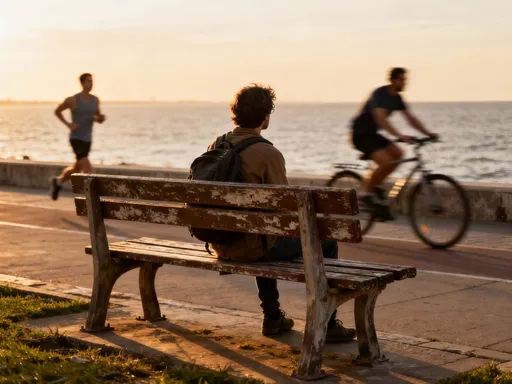
Transport within Dahab is easy. Bicycles are widely rented and ideal for exploring the shoreline and side streets. Walking is pleasant, especially in the early morning or late afternoon. Taxis are available but rarely needed. The town’s layout encourages wandering, and getting “lost” often leads to the most memorable discoveries. Travelers are advised to carry cash, as many small businesses do not accept cards, and to pack reef-safe sunscreen to protect the marine environment.
Most importantly, come with openness. Dahab does not reveal itself to those in a hurry. It asks for patience, curiosity, and respect. When you slow down, listen, and engage with presence, the town offers more than scenery—it offers a sense of belonging. This is not a destination to conquer, but a place to become part of, even if only for a short while.
Dahab’s true beauty lies not in checking off spots, but in letting its rhythms guide you. When you move beyond the beach and into its living heart, you don’t just visit—you connect.