You Won’t Believe These Secret Nature Escapes Near Graz
Nestled in the heart of Styria, Graz isn’t just about charming old towns and coffee culture—its wild side is waiting. Just beyond the city buzz, rolling hills, lush forests, and crystal-clear rivers create a paradise for nature lovers. I was blown away by how easily you can swap cobblestone streets for mountain trails. If you’re craving green views, fresh air, and peaceful hideaways, let me show you the real natural gems near Graz. These escapes aren’t hidden in remote alpine ranges or far-flung national parks—they’re minutes from your hotel, café, or tram stop. Whether you're a weekend wanderer or a full-time explorer, Graz offers a rare blend of urban charm and untouched nature, all wrapped in one inviting destination.
Why Graz Is the Perfect Base for Nature Lovers
Graz sits in a sweet spot geographically—where the southern slopes of the Alps gently give way to the rolling hills and river valleys of Styria. This unique position makes it an ideal starting point for nature excursions, offering access to both high-altitude trails and soft, forested lowlands within a 30- to 60-minute journey. Unlike many European cities where nature feels distant, Graz integrates green spaces into daily life. The city is cradled by the Mur River, which flows through its center like a green ribbon, flanked by parks, footpaths, and ecological restoration zones that support native plants and birds.
What truly sets Graz apart is its deep-rooted commitment to sustainability and green living. It was named a European Capital of Culture in 2003 and later a European Green Capital in 2008, honors that reflect its ongoing environmental efforts. Public gardens, rooftop greenery, and car-free zones are part of everyday city planning. Locals don’t just visit nature—they live with it. This mindset extends beyond city limits, where regional conservation areas and forest management programs protect biodiversity while encouraging responsible tourism.
For visitors, this means you don’t need to travel far to feel immersed in nature. Trails begin at the edge of neighborhoods. Forests rise just beyond suburban roads. And many of the region’s most beloved natural spots are accessible without a car, thanks to Austria’s reliable public transportation. Whether you're traveling solo, with children, or as a couple seeking quiet time, Graz offers a seamless transition from city life to woodland serenity. The blend of culture and wilderness isn’t just convenient—it’s intentional, making Graz one of Europe’s most balanced destinations for the modern nature lover.
Schlossberg: The Heartbeat of Nature in the City
Rising 475 meters above sea level in the very center of Graz, Schlossberg is more than a hill—it’s a living green lung pulsing at the city’s core. Crowned by clock tower ruins and ancient fortifications, this forested peak is a sanctuary where history and nature intertwine. Yet for all its fame, Schlossberg remains refreshingly accessible. Winding paths shaded by beech and chestnut trees invite slow strolls, while steeper trails offer mild challenges for those seeking elevation. No matter your pace, the air grows cooler and cleaner with every step upward, a subtle shift that signals your escape from urban noise.
Early mornings here are magical. Mist lingers in the tree canopies, birds call from hidden branches, and the city below stirs to life in soft hues. It’s the perfect time for quiet reflection or a mindful walk before breakfast. By late afternoon, the western viewpoints come alive with golden light, casting Graz in a warm glow as the sun dips behind the hills. The panoramic vista from the top includes red-tiled rooftops, the snaking Mur River, and the distant outline of the Styrian Alps—a reminder that even in the city, you’re never far from grand landscapes.
What makes Schlossberg special isn’t just its views, but its layers. Beneath the tourist-friendly plazas and cafes, there are quiet groves, hidden benches, and overgrown corners where nature reclaims the stone. Families picnic under trees, children chase squirrels, and seniors read on shaded benches. The hill is equally welcoming to locals and visitors, serving as a communal space where everyone is invited to pause and breathe. With multiple entry points, elevators, and even a funicular, Schlossberg is inclusive and easy to explore, making it the perfect first stop for anyone discovering Graz’s natural side.
The Mur River Trails: Where Water Meets Wilderness
The Mur River is Graz’s natural spine, flowing through the city with a quiet grace that belies its power to connect people with nature. Along its banks, a network of well-maintained trails offers endless opportunities for walking, jogging, cycling, or simply sitting by the water. These paths are more than recreational—they’re lifelines that link urban neighborhoods with rural landscapes, creating a continuous green corridor that stretches far beyond the city center. Whether you start near the futuristic Murinsel or further south near Mariatrost, each stretch of the trail reveals a different facet of the river’s character.
One of the most popular routes follows the river toward St. Peter, where the urban backdrop gradually gives way to orchards, meadows, and forested slopes. The path is paved and flat, ideal for families with strollers or casual cyclists. Along the way, wooden footbridges cross side streams, and benches invite rest with views of kingfishers darting over the water. In spring, wild garlic blooms along the banks, filling the air with a faint, earthy scent. In summer, the river’s cool mist provides relief from the heat, especially in shaded sections beneath overhanging trees.
Further south, the trail leads toward Thalersee, where the Mur’s influence blends with alpine springs and forest streams. This area feels more secluded, with fewer people and more wildlife. Herons stalk the shallows, dragonflies hover above reeds, and the sound of traffic fades into birdsong. The river here moves slower, winding through wetlands that act as natural filters and habitats for amphibians and insects. These ecological functions are quietly celebrated in small interpretive signs that educate visitors about the importance of riparian zones.
For those who prefer two wheels, Graz’s bike-sharing system, Nextbike, offers convenient access to rental bikes at multiple points along the river. Cycling the Mur trail is a favorite local pastime, especially on weekends when families ride together or couples enjoy a romantic afternoon outing. The city’s commitment to active transportation means the paths are safe, well-lit, and clearly marked, encouraging even reluctant adventurers to give it a try. Whether you walk, run, or cycle, the Mur River trails offer a soothing, rhythmic journey where water, greenery, and movement come together in perfect harmony.
Lurgrotte Cave: A Hidden Underground Adventure
Just a 40-minute drive from Graz lies one of Austria’s most fascinating natural wonders—the Lurgrotte Cave system. Stretching over 50 kilometers beneath the village of Peggau, it’s one of the longest publicly accessible caves in the country. For those seeking a truly unique experience, descending into this subterranean world is like stepping into another dimension. The air grows cool and damp, the silence deepens, and the only light comes from your helmet lamp as you follow a guided path through echoing chambers, narrow passages, and vast underground halls.
The tour begins at the Peggau entrance, where visitors are equipped with helmets and lights before entering the cave. The first chamber opens like a cathedral, with towering limestone formations glistening in the beam of your light. Stalactites hang like chandeliers, while stalagmites rise from the floor, some meeting in the middle to form massive columns. The guide explains how these formations have grown over hundreds of thousands of years, drop by mineral-rich drop. The pace is slow and deliberate, allowing time to absorb the stillness and marvel at the slow artistry of nature.
One of the most memorable parts of the tour is the underground river, which winds through the cave in dark, glassy streams. The sound of dripping water echoes through the tunnels, creating a meditative rhythm. In certain chambers, the guide turns off all lights, plunging the group into complete darkness—a moment that heightens the senses and deepens the sense of wonder. It’s a powerful reminder of how small we are in the face of Earth’s ancient processes.
Because the cave maintains a constant temperature of around 8°C (46°F) year-round, it’s an ideal escape during summer heatwaves. However, visitors should come prepared: sturdy, non-slip shoes are required, and warm clothing is recommended even in July. Reservations are essential, especially on weekends, as tours run at fixed times and spaces are limited. The experience is not for the claustrophobic, but for those open to adventure, Lurgrotte offers a rare chance to witness the hidden architecture of the Earth—quiet, majestic, and humbling.
Klettersteig Schöckl: For Thrill-Seekers Who Love Views
Rising to 1,445 meters, Mount Schöckl is a beloved landmark just north of Graz, offering some of the most exhilarating hiking and via ferrata experiences in the region. While it’s popular with outdoor enthusiasts, it remains surprisingly accessible to families and intermediate hikers. The mountain is home to several marked trails, including the Klettersteig Schöckl—a protected climbing route equipped with steel cables, rungs, and ladders that allow climbers to ascend steep rock faces safely. No prior climbing experience is required, but a good level of fitness and a head for heights are recommended.
The via ferrata begins near the upper station of the Schöckl cable car, which can carry visitors most of the way up, saving energy for the climb. From there, the route winds through exposed ridges, narrow ledges, and rocky gullies, all secured by a continuous steel cable that climbers clip into with a harness. The sensation is thrilling but controlled—each step is supported, allowing you to focus on the views rather than fear. And the views are nothing short of spectacular: on clear days, you can see across the Styrian basin to the distant peaks of the Gesäuse Alps.
For those not ready for the via ferrata, there are gentler hiking paths that lead to the summit with minimal elevation gain. These trails pass through alpine meadows dotted with edelweiss in summer and offer frequent rest spots with panoramic outlooks. The summit itself hosts a small mountain hut where you can warm up with a cup of herbal tea or a slice of homemade cake—an essential reward after any ascent. The hut is run by friendly locals who often share stories about the mountain’s legends, including tales of misty apparitions and sudden fog rolls that have disoriented hikers for generations.
Weather on Schöckl can change quickly, so it’s crucial to check conditions before heading out. Mornings are often clear, but afternoon fog is common, especially in late summer. Always bring warm layers, even in August, and pack plenty of water and snacks. The cable car operates seasonally, typically from late spring to early autumn, and offers a convenient one-way option for those who want to hike up and ride down—or vice versa. Whether you climb, hike, or simply enjoy the view from the top, Schöckl delivers a sense of achievement and connection to the wild heart of Styria.
Thalersee & the Surrounding Forests: A Lakeside Retreat
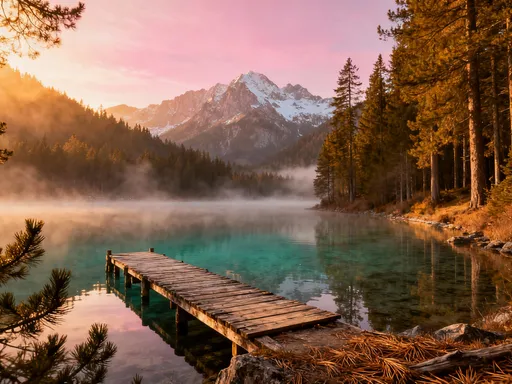
Just 20 minutes south of Graz, nestled in a quiet forest clearing, lies Thalersee—a serene alpine lake that feels worlds away from city life. Fed by mountain springs, its waters are crystal-clear and refreshingly cold, even in midsummer. The lake is small, less than 300 meters across, but its beauty is immense. Surrounded by tall pines and beech trees, it reflects the sky like a mirror, changing color with the weather and time of day. In the morning, it’s silver and misty; by noon, it glows turquoise; at sunset, it turns gold and deep blue.
A short, well-marked trail from the parking area leads down to the water’s edge, making it an ideal destination for families with young children or older visitors seeking gentle movement. A wooden pier extends into the lake, perfect for sitting, dipping your feet, or watching dragonflies skim the surface. Swimming is allowed and popular in July and August, though the water remains chilly—most swimmers brave just a quick plunge before retreating to a sun-warmed rock or towel. There are no lifeguards, so supervision is essential for children.
The forest around Thalersee is rich with life. Mushrooms sprout after rain, songbirds flit between branches, and in autumn, the air fills with the scent of damp earth and fallen leaves. Picnic tables are scattered under the trees, some with built-in grills for small barbecues. Many locals come here not to do, but to *be*—to read, sketch, nap, or simply listen to the wind. The absence of loud music or crowds enhances the sense of peace, making it a true retreat for the soul.
Winter transforms Thalersee into a different kind of sanctuary. When temperatures drop, the lake sometimes freezes, and a dusting of snow covers the forest floor. The trail becomes a quiet winter walk, ideal for crisp morning strolls or afternoon snow play with children. While ice skating isn’t officially permitted due to variable thickness, the frozen lake is a beautiful sight, especially under a pale winter sun. Throughout the year, Thalersee remains a place of stillness and simplicity, a reminder that nature’s greatest gifts are often the quietest ones.
Planning Your Nature Escape: When to Go & How to Get There
Timing is key when planning your nature escapes near Graz. The best seasons are late spring (May to June) and early autumn (September to October), when temperatures are mild, wildflowers are in bloom, and the crowds are smaller. July and August can be warm, even hot in the city, but higher elevations like Schöckl and Thalersee remain cool and pleasant. Winter offers its own magic, especially for forest walks and snowy landscapes, though some trails and cable cars may be closed due to snow.
Getting to these natural spots is easier than you might think. Graz has an excellent public transportation network, including buses and regional trains that serve many nearby destinations. The bus line 61, for example, goes directly to the base of Schöckl, while regional trains stop near Peggau for access to Lurgrotte. For Thalersee and the Mur River trails, local buses run frequently from the city center. If you prefer more flexibility, renting a bike or car is simple and affordable, with multiple rental agencies located near the main train station.
When packing for your outings, always check the weather forecast, especially for mountain areas where conditions can shift rapidly. Layers are essential—mornings may be cool, afternoons warm, and evenings chilly. Waterproof hiking shoes are recommended for trails, and a small backpack with water, snacks, and a light rain jacket ensures comfort and safety. For cave visits, closed-toe shoes with good grip are mandatory.
Finally, remember that these natural spaces are shared treasures. Practicing sustainable tourism means staying on marked trails, avoiding littering, and respecting wildlife. Graz and its surrounding region have worked hard to preserve these landscapes for future generations, and every visitor plays a role in that effort. By traveling mindfully, you not only protect the environment but also deepen your own experience—slowing down, paying attention, and truly connecting with the natural world.
Graz is more than a city of culture and coffee. It’s a gateway to quiet forests, sparkling rivers, hidden caves, and sunlit peaks. These nature escapes aren’t just add-ons to a city trip—they are the heart of what makes Graz special. In a world that often feels too fast and too loud, these places offer something rare: stillness, beauty, and a chance to breathe. So step off the cobblestones, follow the trail, and let nature speak. You might be surprised by how close peace really is.