You Gotta See What This Tanzanian City Hides in Plain Sight
Shopping in Arusha isn’t just about buying souvenirs—it’s a full sensory journey through bustling markets, local craftsmanship, and vibrant street life. I never expected such rich culture tucked in plain sight, where every stall tells a story and every vendor shares a smile. From handmade beads to bold textiles, Arusha’s commercial areas pulse with authenticity. This is more than retail; it’s connection, color, and soul. For travelers who think they’ve seen Tanzania through safari winds and savannah sunsets, the city of Arusha offers a quieter revelation—one found not in national parks, but in market alleys, craft stalls, and the rhythm of daily commerce. Here, shopping becomes a window into community, tradition, and resilience, revealing a side of East Africa often overlooked by the lens of tourism.
The Heartbeat of Arusha: Understanding Its Commercial Pulse
Arusha, often recognized as the gateway to Tanzania’s famed northern safari circuit, is far more than a transit point for travelers en route to Serengeti or Kilimanjaro. Nestled at the foot of Mount Meru, this highland city hums with a commercial energy all its own—a rhythm shaped by generations of trade, agriculture, and cultural exchange. While tourists may pass through for permits or gear, those who pause to explore discover a thriving urban ecosystem where commerce is not just economic but deeply social. The city’s central business district wakes early, with moto-taxis zipping through crowded streets, fruit vendors balancing baskets on their heads, and the aroma of freshly ground coffee drifting from roadside kiosks.
Markets like Central Market and Kati Kati Market are not tourist attractions in the conventional sense; they are essential parts of Arushan life. Locals come here daily to buy food, clothing, household goods, and handmade crafts. Yet, these spaces also welcome curious travelers who seek experiences beyond curated tour itineraries. The blend of Swahili greetings, the clatter of metal stalls, and the vibrant colors of fabrics and produce create a tapestry of urban African life. This is commerce with context—where every transaction is layered with cultural meaning, from the way prices are negotiated to the stories shared between buyer and seller.
Understanding Arusha’s commercial pulse allows visitors to engage more meaningfully. It transforms shopping from a transactional act into an immersive experience. When you walk through these markets, you’re not just observing culture—you’re participating in it. The city’s identity is shaped by its role as a regional trade hub, drawing goods and people from nearby towns, rural villages, and even across borders. Coffee, spices, beans, and handicrafts flow through Arusha, making it a crossroads of flavor, skill, and tradition. To appreciate this is to see Arusha not as a stopover, but as a destination rich with its own narrative.
Central Market: Where Tradition Meets Daily Life
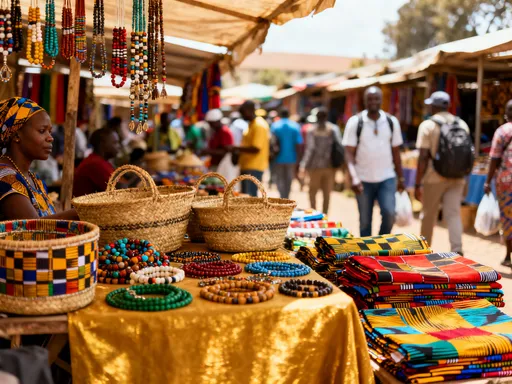
At the heart of Arusha’s commercial soul lies the Central Market, a sprawling, open-air labyrinth covered in corrugated iron roofs that shimmer under the equatorial sun. This is not a sanitized tourist bazaar but a living, breathing marketplace where locals do their daily shopping. The moment you step inside, your senses are awakened—the sharp scent of cloves, cinnamon, and ginger mingles with the earthy aroma of fresh produce and the sweet tang of ripe mangoes and pineapples. Stalls overflow with pyramids of bananas, bundles of leafy greens, and mounds of red onions, while butchers display fresh cuts of meat under shaded canopies.
Yet, Central Market is not just about food. It is also a treasure trove of handmade crafts and cultural artifacts. Woodcarvers display intricately carved ebony and mahogany statues, often depicting animals, ancestors, or daily life scenes. Beadwork from the Maasai community glitters in the sunlight, with necklaces, bracelets, and earrings arranged in rainbow patterns. Woven baskets made from sisal and banana fibers hang from hooks, each one a testament to generations of skill passed down through families. Fabrics are everywhere—bolts of kitenge and kanga in bold, geometric prints drape across tables, their vibrant colors catching the eye and inviting touch.
Bargaining is an expected part of the experience, but it is conducted with a spirit of mutual respect. A common practice is to start at about half the quoted price and negotiate toward a fair middle ground. A smile, a joke, or a simple “Habari yako?” (How are you?) can go a long way in building rapport. Many vendors are happy to share the stories behind their goods—where the wood was sourced, how the beads were made, or what the patterns on the fabric signify. This personal connection elevates the act of shopping into something more profound: a moment of human exchange, a brief but meaningful bridge between cultures.
Kati Kati Market: A Local Favorite with Tourist Appeal
A short walk from the city center, Kati Kati Market offers a more structured and slightly calmer alternative to the bustling energy of Central Market. Known for its organized layout and reliable quality, this market has become a favorite among both residents and discerning travelers. While it still buzzes with activity, the stalls are arranged in neat rows, making navigation easier and the experience less overwhelming. This makes Kati Kati an ideal destination for those who want authenticity without sensory overload—a place where you can take your time, engage with artisans, and make thoughtful purchases.
One of the defining features of Kati Kati Market is its specialization. Unlike general markets where vendors sell a little of everything, many stalls here focus on a single craft or product. You’ll find artisans dedicated solely to making jewelry from recycled paper beads, their intricate designs dyed in rich, earthy tones. Others specialize in organic coffee beans, proudly displaying sacks labeled with the names of nearby farms on the slopes of Mount Meru. These beans, roasted locally, offer a smooth, aromatic brew that reflects the terroir of the region. Herbalists sell bundles of traditional medicinal plants, while textile vendors offer hand-dyed fabrics and embroidered garments.
What sets Kati Kati apart is the opportunity for real-time creation. You might watch a basket weaver twist strands of sisal into a sturdy tote, her hands moving with practiced ease. Or see a tailor stitch a kanga by hand, adding personalized motifs at the customer’s request. These live demonstrations deepen the appreciation for the craftsmanship involved. Visitors often linger over a cup of freshly brewed chai, sipping the spiced tea while negotiating the price of a sisal bag or a set of handmade soaps. The atmosphere is relaxed, friendly, and deeply human—less about rushing to buy and more about savoring the moment.
Craft Shops and Galleries: Curated Culture for Conscious Shoppers
For travelers who prefer a more polished shopping experience, Arusha offers a growing number of boutiques and art galleries that combine aesthetic appeal with ethical responsibility. These curated spaces provide an alternative to the bustling markets, offering high-quality, fairly sourced crafts in a comfortable setting. Stores like Moyo Wa Miti and Craft Gallery Arusha are more than retail outlets—they are cultural hubs that support regional artisans and promote sustainable practices. Their mission is clear: to celebrate Tanzanian creativity while ensuring that artists are paid fairly and their work is respected.
The selection in these shops is both diverse and intentional. You’ll find recycled glassware transformed into elegant vases and drinking glasses, their colors reflecting the hues of the African landscape. Contemporary Tingatinga paintings—known for their bold outlines and whimsical subjects—adorn the walls, each piece signed by the artist. Handwoven textiles, ceramic pottery, and carved wooden masks are displayed with care, often accompanied by small cards that share the maker’s name, village, and inspiration. This transparency fosters a deeper emotional connection between buyer and object, turning a simple purchase into a meaningful act of support.
Prices in these boutiques are fixed and generally higher than in street markets, but the value is evident in the craftsmanship and the ethical framework behind each item. Shopping here means knowing that your money directly benefits the artisan and their community. Many of these shops partner with cooperatives, particularly those led by women or marginalized groups, helping to empower local economies. For conscious travelers—especially those in the 30–55 age range who value authenticity, quality, and social impact—these spaces offer a satisfying blend of beauty and purpose. They prove that responsible tourism can be both elegant and impactful.
Street Vendors and Pop-Up Markets: The Unexpected Gems
Some of Arusha’s most memorable shopping experiences happen outside formal markets—in spontaneous, fleeting moments with street vendors and pop-up stalls. These micro-markets thrive on serendipity, appearing near clock towers, bus stops, or park entrances, often vanishing by midday. You might encounter a woman sitting on a mat, her legs crossed as she arranges rows of beaded flip-flops, each pair a tiny work of art. Or a man standing by a tree, displaying hand-stitched leather journals bound with sisal thread. These encounters are unscripted, raw, and deeply personal.
While these vendors operate informally, their goods are often made by hand, using skills passed down through generations. The flip-flops, for instance, may be crafted by Maasai women who use traditional beadwork patterns to tell stories of identity and heritage. The leather journals might come from a small workshop where artisans repurpose discarded hides into functional art. These items are not mass-produced souvenirs; they are unique expressions of culture and creativity.
Engaging with street vendors requires awareness and respect. It’s wise to carry small denominations of Tanzanian shillings, as many do not have change for larger bills. A simple greeting in Swahili—“Habari?” or “Jambo”—can open a conversation and build trust. While bargaining is common, it should be done gently, with an understanding that for many vendors, this income is essential. These interactions, though brief, often leave the deepest impressions. They remind us that travel is not just about destinations, but about the people we meet along the way—real, resilient, and full of stories.
Practical Tips for Smart and Respectful Shopping
Navigating Arusha’s markets safely and respectfully enhances both your experience and your impact. A few thoughtful practices can make a significant difference. First, carry minimal cash—enough for your intended purchases but not so much that it draws attention. Keep wallets and phones out of sight, preferably in a secure crossbody bag. In recent years, mobile money platforms like M-Pesa have become widely accepted, even among some market vendors. If you have access to such services, they offer a convenient and secure way to pay.
Dress modestly to blend in with local norms. While Arusha is relatively cosmopolitan, wearing clothing that covers shoulders and knees shows respect and helps you feel more comfortable in crowded spaces. Avoid aggressive bargaining, which can be perceived as disrespectful. Remember, the goal is not to win the lowest price but to reach a fair agreement that honors the artisan’s work. A smile, patience, and a willingness to listen often lead to better outcomes than haggling tactics.
If you wish to take photographs, always ask permission first. Many vendors are happy to pose, especially if you show genuine interest in their craft. But some may decline, and that choice must be respected. Shopping early in the morning is ideal—not only is the weather cooler, but you’ll find the best selection of goods before popular items sell out. Finally, carry a reusable bag. Many vendors do not provide plastic, and bringing your own helps reduce waste while making it easier to carry your purchases.
Why Arusha’s Markets Matter—Beyond the Purchase
Shopping in Arusha is not just about what you bring home—it’s about the impact you leave behind. Every purchase supports a local livelihood, whether it’s a farmer selling coffee, a weaver crafting baskets, or a mother using beadwork to fund her children’s education. These markets are not static displays of culture; they are dynamic engines of resilience, creativity, and community pride. When you buy directly from artisans, you become part of a larger story—one of preservation, empowerment, and human connection.
Arusha’s commercial spaces are living classrooms where tradition and modernity coexist. They teach us about sustainability—how sisal becomes a bag, how paper turns into jewelry, how coffee travels from farm to cup. They remind us that economy and culture are not separate, but deeply intertwined. In a world where mass production often erases individuality, these markets celebrate the handmade, the unique, the human touch.
For the thoughtful traveler—especially women in their 30s to 50s who value meaningful experiences, quality craftsmanship, and social responsibility—Arusha’s markets offer something rare: authenticity with integrity. They invite you not just to observe, but to participate. To listen. To connect. To remember that behind every object is a person, a story, a life. By shopping mindfully, you help keep these traditions alive, ensuring that the heartbeat of Arusha continues to pulse with pride, purpose, and color for generations to come.