Why I Prioritize Prevention: My Science-Backed Health Upgrade
Preventive healthcare isn’t just medical advice—it’s a lifestyle shift that changed my daily choices. I used to wait for symptoms before acting, but science shows the real power lies in what we do *before* illness strikes. Through small, evidence-based habits, I’ve boosted my energy, resilience, and long-term outlook. This is my journey toward optimized health, rooted in research, not hype. What began as a quiet concern about persistent fatigue evolved into a deeper understanding of how daily decisions shape long-term well-being. Prevention, I’ve learned, is not about fear or obsession with perfection. It’s about intention, awareness, and respect for the body’s capacity to heal and thrive when given the right support.
The Wake-Up Call: Recognizing the Need for Change
For years, I believed I was healthy simply because I wasn’t sick. I didn’t have a diagnosis, no chronic conditions, and no reason to worry—so I thought. Yet, I often felt drained by mid-afternoon, struggled to focus during the day, and relied on coffee just to stay alert. My sleep was inconsistent, and I accepted this as normal, a trade-off for a busy life. It wasn’t until a routine check-up revealed slightly elevated blood pressure and borderline cholesterol levels that I realized something was off. My doctor didn’t sound alarmed, but the message was clear: these were early warning signs, not isolated numbers. They reflected a pattern of lifestyle choices that, if left unaddressed, could lead to more serious health issues down the line.
This moment became my wake-up call. I had been operating under the misconception that health meant the absence of disease. But true health is more than that—it’s energy, clarity, resilience, and the ability to meet life’s demands without constant fatigue. The symptoms I had dismissed—low energy, brain fog, poor sleep—were not inevitable parts of aging or stress. They were signals that my body was under strain. Research shows that chronic low-grade inflammation, often driven by poor diet, lack of movement, and ongoing stress, can silently damage tissues and increase the risk of conditions like heart disease, type 2 diabetes, and cognitive decline. These changes happen gradually, often without dramatic symptoms, which is why preventive awareness is so crucial.
Reactive healthcare—waiting until something goes wrong before taking action—has its place, but it’s not enough for long-term well-being. It’s like waiting for a roof to leak before repairing it, rather than inspecting it regularly and addressing small issues early. Preventive thinking shifts the focus from crisis management to consistent care. It’s about recognizing that health is not a destination but a continuous process. By paying attention to subtle cues and making small adjustments, we can support our body’s natural balance before more serious problems arise. This mindset change—from reacting to preventing—was the first step in my journey toward better health.
What Is Health Optimization? Beyond Just Avoiding Disease
Health optimization goes beyond simply staying free from illness. It’s about functioning at your best—physically, mentally, and emotionally. It means having steady energy throughout the day, clear thinking, restful sleep, and the ability to recover quickly from stress or minor illness. From a scientific perspective, this involves supporting key biological processes that maintain balance in the body, such as reducing chronic inflammation, supporting immune function, and maintaining metabolic health. These internal systems work quietly in the background, shaping how we feel every day, even when we don’t realize it.
For example, inflammation is a natural response to injury or infection, but when it becomes chronic—often due to poor diet, lack of sleep, or ongoing stress—it can contribute to a wide range of health problems. Studies have linked chronic inflammation to heart disease, arthritis, and even mood disorders. Similarly, metabolic health—how well the body processes energy from food—plays a critical role in long-term vitality. Poor metabolic function can lead to insulin resistance, weight gain, and increased risk of type 2 diabetes. Health optimization means making choices that support these systems, not just avoiding obvious dangers.
The goal is not perfection. No one eats perfectly, sleeps eight hours every night, or eliminates all stress. Instead, health optimization is about sustainable improvement. It’s about creating a lifestyle that aligns with the body’s natural needs, using evidence-based strategies that are realistic and maintainable. This approach is grounded in physiology, not trends. It’s not about extreme diets or intense workout regimens that are hard to sustain. It’s about small, consistent actions that add up over time—like choosing whole foods over processed ones, moving regularly, and managing stress in healthy ways. These choices may seem minor, but their cumulative effect on long-term health is profound.
The Science of Prevention: How Small Habits Shape Long-Term Outcomes
One of the most empowering insights I’ve learned is that lifestyle choices have a greater impact on long-term health than genetics. While genes play a role, research shows that up to 80% of chronic disease risk is influenced by modifiable factors like diet, physical activity, sleep, and stress management. The Nurses’ Health Study, one of the largest and longest-running investigations into women’s health, found that individuals who maintained a healthy weight, exercised regularly, ate a balanced diet, avoided smoking, and limited alcohol had a significantly lower risk of heart disease, stroke, and type 2 diabetes. These benefits were seen even among those with a family history of these conditions, demonstrating that lifestyle can modify genetic risk.
Diet is one of the most powerful tools for prevention. Studies consistently show that diets rich in whole grains, vegetables, fruits, legumes, nuts, and healthy fats—such as the Mediterranean diet—are associated with lower rates of chronic disease. These foods support gut health, reduce inflammation, and help regulate blood sugar and cholesterol levels. On the other hand, highly processed foods, sugary drinks, and excessive red meat consumption are linked to increased inflammation and higher disease risk. The impact isn’t just long-term; even short-term changes in diet can affect biomarkers. For example, research has shown that just two weeks of eating a plant-rich, low-sugar diet can improve insulin sensitivity and reduce markers of inflammation.
Physical activity is another cornerstone of prevention. Regular movement—whether it’s walking, gardening, or dancing—supports cardiovascular health, improves insulin sensitivity, and enhances mood by increasing endorphins and reducing stress hormones. The American Heart Association recommends at least 150 minutes of moderate-intensity aerobic activity per week, but even small amounts of movement make a difference. Studies show that breaking up long periods of sitting with short walks can improve blood sugar control and reduce cardiovascular risk. Sleep is equally important. Chronic sleep deprivation is linked to weight gain, impaired immune function, and increased risk of depression and heart disease. During sleep, the body repairs tissues, consolidates memories, and regulates hormones—processes essential for long-term health.
Stress management is often overlooked but plays a critical role in prevention. Chronic stress activates the body’s fight-or-flight response, leading to elevated cortisol levels, which over time can contribute to high blood pressure, weight gain, and weakened immunity. Mindfulness practices, deep breathing, and regular physical activity can help regulate the stress response. The key is consistency. These habits don’t need to be extreme or time-consuming. Small, daily choices—like choosing water over soda, taking the stairs, or spending 10 minutes in quiet reflection—accumulate into meaningful protection over time.
My Daily Prevention Toolkit: Simple, Sustainable Practices
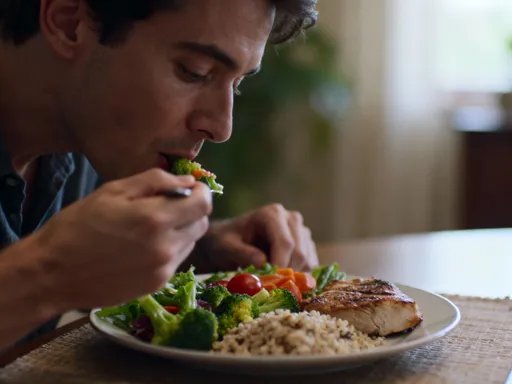
After learning about the science of prevention, I wanted to find ways to apply it in real life. I knew I couldn’t overhaul everything at once, so I focused on small, sustainable changes that fit into my routine. The first shift was in my eating habits. I began practicing mindful eating—paying attention to hunger and fullness cues, eating slowly, and savoring my meals. This didn’t mean strict dieting or eliminating foods I enjoyed. Instead, it was about awareness. I started incorporating more whole, unprocessed foods into my meals—like leafy greens, colorful vegetables, whole grains, and plant-based proteins. I reduced my intake of sugary snacks and processed foods, not through restriction, but by making healthier options more accessible. For example, I began preparing simple meals at home, using fresh ingredients, and keeping cut-up vegetables and fruit within easy reach.
Daily movement became a non-negotiable part of my routine, but not in the way I once thought. I used to believe that exercise had to be intense—long runs or high-energy classes—to be effective. But research shows that consistent, moderate activity is more sustainable and equally beneficial. Now, I aim for at least 30 minutes of movement most days, whether it’s a brisk walk, a yoga session, or gardening. I also make an effort to stay active throughout the day—taking the stairs, parking farther away, or doing short stretches during work breaks. These small efforts add up and help maintain joint mobility, cardiovascular health, and energy levels.
Hydration is another simple but powerful habit. I started tracking my water intake, aiming for about eight glasses a day, though I adjust based on activity and weather. Staying hydrated supports digestion, skin health, and cognitive function. I keep a reusable water bottle with me and refill it regularly. I also limited my consumption of sugary drinks and excessive caffeine, which can dehydrate and disrupt sleep.
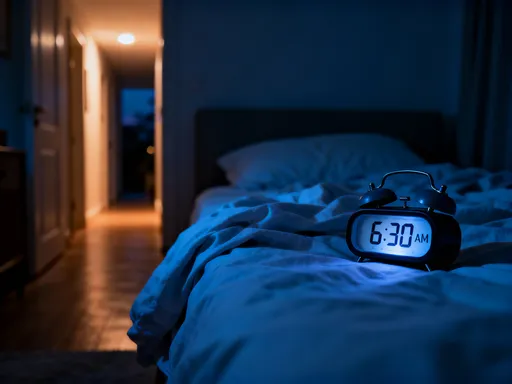
One of the most impactful changes was establishing a digital detox before bed. I used to spend the hour before sleep scrolling through my phone, which made it harder to wind down. Blue light from screens suppresses melatonin, the hormone that regulates sleep. Now, I turn off all screens at least 30 to 60 minutes before bedtime. Instead, I read a book, listen to calming music, or practice gentle stretching. This small shift has dramatically improved my sleep quality. These habits aren’t perfect, and I don’t follow them every single day—but consistency over time is what matters. The goal is progress, not perfection.
Tracking Progress Without Obsession: Listening to Your Body
When I first started focusing on prevention, I was tempted to measure everything—weight, steps, sleep scores, heart rate. While tracking can provide useful insights, I quickly realized that obsessing over numbers could become counterproductive. Health is not just about data; it’s also about how we feel. I began paying more attention to non-scale indicators of progress, such as improved mood, steady energy levels, better digestion, and faster recovery after physical activity. These subtle changes are often more meaningful than any number on a scale or app.
I do use a few tools to support awareness. A sleep journal helped me identify patterns—like how late meals or screen time affected my rest. I also experimented with a heart rate variability (HRV) app, which measures the variation in time between heartbeats. Higher HRV is associated with better stress resilience and overall health. While I don’t check it daily, it gives me a general sense of how my body is responding to lifestyle choices. However, I’ve learned not to let data override intuition. Some days, the numbers might look good, but I still feel tired or stressed. Other days, I might not hit my step goal, but I feel energized and focused. Listening to my body has become just as important as tracking metrics.
This balance between data and self-awareness allows for a more flexible, individualized approach. It’s about using information as a guide, not a rulebook. For example, if I notice I’m feeling sluggish, I might adjust my diet, drink more water, or take a short walk—without waiting for a lab test or app alert. Prevention is not about rigid control; it’s about responsiveness. By tuning in to my body’s signals, I can make small adjustments before minor imbalances become bigger issues. This approach fosters a sense of empowerment, not anxiety.
Overcoming Barriers: Making Prevention Stick in Real Life
Staying consistent with preventive habits is not always easy. Life gets busy, motivation fluctuates, and old routines can be hard to break. One of the biggest challenges I faced was finding time. Between work, family, and daily responsibilities, it was tempting to put self-care last. But I realized that prevention only works if it’s maintainable. I began using habit stacking—pairing a new behavior with an existing one. For example, I started drinking a glass of water right after brushing my teeth, or doing a few stretches while waiting for my coffee to brew. These tiny connections made it easier to remember and integrate new habits.
Another obstacle was social pressure. Dining out with friends or attending gatherings often involved less healthy food choices. Instead of feeling restricted, I adopted a flexible mindset. I aim for balance, not perfection. If I eat something indulgent, I don’t dwell on it. I simply return to my usual habits at the next meal. I also learned to plan ahead—bringing a healthy dish to gatherings or choosing restaurants with nutritious options. This way, I can enjoy social moments without compromising my goals.
Environment design played a key role in making healthy choices easier. I rearranged my kitchen to keep fruits and vegetables at eye level, moved snacks to less accessible places, and placed my water bottle on the counter where I’d see it. These small changes reduced friction and made good habits more automatic. I also practiced self-compassion. There were days when I skipped a walk or ate takeout instead of cooking. Instead of guilt, I reminded myself that long-term health is built on consistency, not occasional perfection. Progress, not perfection, is the goal.
When to Seek Expert Guidance: The Limits of Self-Care
While personal responsibility is important, I’ve learned that self-care has its limits. Preventive strategies are powerful, but they don’t replace professional medical advice. Regular check-ups, blood work, and conversations with healthcare providers are essential for a complete picture of health. I now schedule annual physicals and discuss any concerns with my doctor. Blood tests can reveal important information—like vitamin levels, thyroid function, and markers of inflammation—that I can’t assess on my own. These insights help me make informed decisions and adjust my habits as needed.
There have been times when I noticed persistent symptoms—like ongoing fatigue or digestive discomfort—and instead of assuming they would resolve on their own, I sought professional evaluation. In one case, testing revealed a mild vitamin D deficiency, which was easily corrected with a supplement and more time outdoors. This experience reinforced the value of clinical input. True health optimization is a partnership between self-knowledge and expert guidance. It’s about using evidence-based habits while staying open to professional support when needed.
Prevention is not about doing everything alone. It’s about being proactive while recognizing when to ask for help. Whether it’s consulting a registered dietitian for personalized nutrition advice, working with a physical therapist for movement guidance, or talking to a counselor about stress management, professional support enhances the effectiveness of self-care. The goal is not to replace medical care with lifestyle changes, but to complement it. Together, they create a stronger foundation for long-term well-being.
Optimizing health isn’t a one-time fix but a lifelong practice rooted in science and self-respect. By shifting focus from treatment to prevention, we invest in a future where vitality isn’t luck—it’s intention. Small, consistent choices today shape how we feel tomorrow, next year, and decades from now. Prevention is not about fear or perfection. It’s about empowerment, awareness, and the daily commitment to care for the body we have. This journey has taught me that health is not something we achieve—it’s something we practice, every day, through choices that honor our long-term well-being.