What If Aging Wasn’t Just About Wrinkles? My Real Talk on Staying Strong, Sharp, and Alive
We all notice the gray hairs or fine lines, but aging goes way deeper than skin. I started asking: Why do some people feel young at 60 while others fade by 40? That curiosity led me to a full health check-up—not just numbers, but how I move, think, and recover. What I found changed how I live. This isn’t about looking younger; it’s about staying strong, energized, and truly healthy from the inside out. The signs had been there for years—low energy, trouble focusing, slower recovery after physical effort—but I dismissed them as normal parts of getting older. I now realize that what many accept as inevitable is often preventable with awareness and action. This journey taught me that aging well isn’t luck. It’s a choice grounded in science, consistency, and self-respect.
The Wake-Up Call: Why I Finally Took Aging Seriously
At 45, I found myself pausing halfway up a flight of stairs, catching my breath. That moment wasn’t dramatic, but it was unsettling. I wasn’t out of shape, or so I thought. I walked regularly, ate fairly well, and didn’t smoke. Yet, simple physical tasks began to feel harder. Getting out of a chair required more effort. Carrying groceries left me sore for days. Even my mood felt heavier, more reactive. I blamed stress, busy schedules, or just being ‘middle-aged.’ But deep down, I knew something was shifting beneath the surface.
What really changed my perspective was a weekend hike with friends. I had always enjoyed being active, but this time, I lagged behind. While others moved steadily, I struggled with balance on uneven ground and felt fatigued long before the trail ended. I wasn’t injured—just… diminished. That’s when it hit me: I wasn’t aging gracefully. I was declining, and I hadn’t even noticed. No single diagnosis explained it, no doctor had sounded alarms. But my body was sending signals, and I had ignored them for too long.
This experience became my wake-up call. I realized that waiting for a disease to appear before taking action was a flawed strategy. True health isn’t the absence of illness—it’s the presence of vitality. I decided to stop reacting to symptoms and start understanding my body’s needs. I booked a comprehensive health assessment, not because I was sick, but because I wanted to stay well. What I discovered wasn’t a crisis, but a collection of subtle imbalances that, left unaddressed, could lead to serious consequences down the road. The good news? They were reversible. And that made all the difference.
Beyond the Mirror: What Aging Really Means for Your Body
Most people think of aging in terms of appearance—wrinkles, gray hair, weight gain. But the real story is happening beneath the skin, at the cellular level. Starting in our 30s, the body begins a slow but steady decline in function. Muscle mass decreases by 3% to 8% per decade after age 30, and this accelerates after 60. This loss, known as sarcopenia, affects strength, balance, and metabolism. Without intervention, it can lead to frailty, falls, and loss of independence.
Bone density also declines over time, particularly in women after menopause, increasing the risk of fractures. Metabolism slows, partly due to muscle loss and partly due to changes in hormone levels. Mitochondria—the energy powerhouses inside our cells—become less efficient, leading to fatigue and reduced recovery. At the same time, chronic low-grade inflammation, often called ‘inflammaging,’ increases and is linked to nearly every age-related condition, from heart disease to cognitive decline.
Yet, science now shows that these changes are not fixed. While genetics play a role, lifestyle factors have a far greater impact on how we age. Research from the National Institute on Aging emphasizes that regular physical activity, proper nutrition, quality sleep, and stress management can significantly slow or even reverse many of these processes. The body is remarkably adaptive. When given the right inputs, it can maintain resilience, strength, and function well into later life. The key is recognizing that aging is not a passive process—it’s one we can influence every single day.
Understanding this shifted my mindset completely. I stopped seeing aging as an inevitable decline and started viewing it as a dynamic process I could support. It wasn’t about fighting time, but about working with my biology. Every choice—what I ate, how I moved, how I slept—was either adding to my vitality or chipping away at it. This awareness didn’t make me anxious; it empowered me. I realized that the goal wasn’t to look younger, but to feel capable, energized, and fully alive at every stage of life.
The Health Check I Wish I’d Done Sooner
Determined to understand my body better, I scheduled a comprehensive health assessment at a preventive medicine clinic. Unlike a standard annual physical, this evaluation went far beyond blood pressure and cholesterol. It included advanced blood testing, body composition analysis, cardiovascular fitness testing, cognitive screening, and a detailed review of lifestyle habits. I wanted a full picture—not just of whether I was sick, but of how well I was functioning.
The blood work looked at markers of inflammation like C-reactive protein, hormone levels including cortisol, thyroid, and sex hormones, metabolic health through insulin and glucose levels, and nutrient status for vitamins D, B12, and magnesium. The body composition scan used dual-energy X-ray absorptiometry (DXA) to measure fat, muscle, and bone mass. I also completed a VO2 max test to assess cardiovascular fitness and took a series of cognitive tasks to evaluate memory, processing speed, and executive function.
The results were both reassuring and revealing. My cholesterol levels were within the normal range, and I had no signs of diabetes. But other markers told a different story. My C-reactive protein was elevated, indicating chronic inflammation. My muscle mass was below the healthy range for my age and gender, and my visceral fat was higher than recommended. My VO2 max placed me in the ‘fair’ category for my age group—better than sedentary peers, but far from optimal. The cognitive screening showed mild deficits in processing speed and working memory, likely linked to poor sleep and stress.
None of these results meant I was on the brink of disease. But they signaled increased risk for future problems—heart disease, type 2 diabetes, frailty, and cognitive decline. What struck me most was that a standard doctor’s visit would have missed almost all of this. My primary care provider would have said I was ‘fine.’ But fine isn’t the same as thriving. This assessment didn’t give me a diagnosis—it gave me a roadmap. It showed me where my body was vulnerable and where I could make changes to build resilience. For the first time, I had data to guide my decisions, not guesswork.
What the Numbers Didn’t Say: The Hidden Gaps in Standard Testing
One of the most important lessons from my assessment was learning the difference between ‘clinically normal’ and ‘functionally optimal.’ Standard lab tests use broad reference ranges based on population averages, which include sick and healthy people alike. If your result falls within that range, you’re told you’re fine. But that doesn’t mean you’re at your best. For example, my vitamin D level was 28 ng/mL—technically above the deficiency threshold of 20, but below the 30–50 ng/mL range associated with optimal immune function, bone health, and mood regulation.
Similarly, my cortisol levels were within the normal range, but they showed a flattened diurnal rhythm—high in the evening and low in the morning—indicating poor stress regulation and adrenal fatigue. My thyroid-stimulating hormone (TSH) was normal, but other markers like free T3 and reverse T3 suggested suboptimal thyroid function that wouldn’t be caught without deeper testing. These nuances are often overlooked in routine care, yet they can explain symptoms like fatigue, weight gain, brain fog, and low mood.
Hormone levels are another area where standard testing falls short. Many labs consider testosterone or estrogen levels ‘normal’ if they fall within a wide range, but what’s normal for a 20-year-old isn’t the same as what’s optimal for a 50-year-old. Functional medicine practitioners often look for levels in the top half of the reference range for vitality, energy, and metabolic health. I learned that being ‘not sick’ is not the same as being ‘truly healthy.’
This gap is where prevention lives. Most people fall through the cracks because their symptoms don’t meet the threshold for disease. They’re told to wait and see, to come back when something is ‘wrong.’ But by then, the damage may already be done. Proactive health means looking beyond the surface, asking deeper questions, and using more sensitive tools to catch imbalances early. It’s about optimizing function before dysfunction becomes disease. This approach requires more effort and sometimes out-of-pocket costs, but the payoff—years of better health—is priceless.
My Four-Pillar Plan to Age Forward (Not Backward)
With my test results in hand, I worked with a health coach to create a personalized, sustainable plan. It wasn’t about extreme diets or punishing workouts. It was about making consistent, science-backed choices that supported long-term vitality. I built my strategy around four pillars: strength, metabolism, nervous system balance, and recovery. Each addresses a key aspect of aging and works synergistically to improve overall function.
The first pillar is strength training. I committed to resistance exercises three times a week, focusing on compound movements like squats, lunges, push-ups, and rows. I started with bodyweight exercises and gradually added dumbbells and resistance bands. The goal wasn’t to build huge muscles, but to preserve and build lean mass, protect bone density, and boost metabolism. Research shows that strength training can increase muscle protein synthesis, improve insulin sensitivity, and enhance balance and coordination—critical for preventing falls.
The second pillar is metabolic support through time-restricted eating. I adopted a 12-hour eating window, finishing dinner by 7 p.m. and not eating again until 7 a.m. This simple change allowed my body to enter a fasting state each night, improving insulin sensitivity and supporting cellular repair processes like autophagy. I didn’t count calories or eliminate food groups. I just gave my digestive system a break, which helped regulate my appetite and energy levels.
The third pillar is nervous system balance through daily mindfulness. Chronic stress accelerates aging by increasing cortisol, inflammation, and oxidative damage. I began practicing 10 minutes of guided meditation each morning and deep breathing before bed. I also reduced screen time and set boundaries around work and email. These small shifts helped lower my stress response and improve emotional resilience.
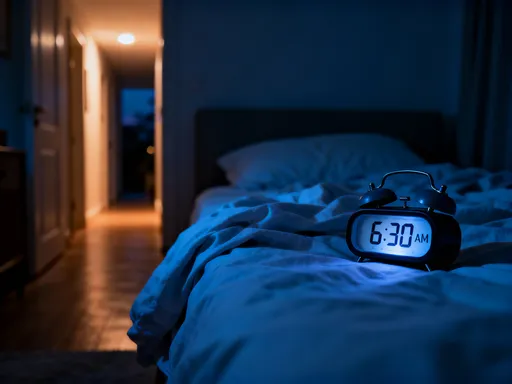
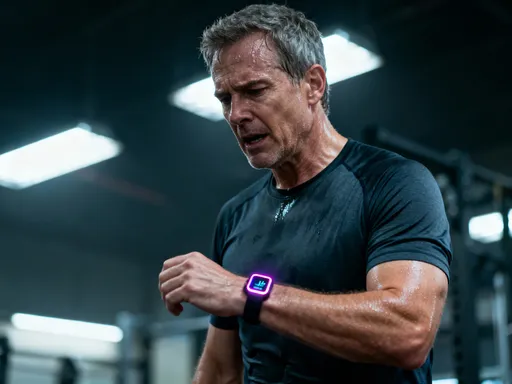
The fourth pillar is sleep hygiene. I established a consistent bedtime routine: no screens an hour before bed, a cool dark room, and a calming tea. I tracked my sleep with a wearable device and aimed for 7–8 hours per night. Quality sleep supports hormone regulation, brain detoxification, and tissue repair. Over time, these four pillars became non-negotiable parts of my routine. They didn’t require perfection—just consistency. And the results spoke for themselves.
Why Movement Is the Best Anti-Aging Drug (And It’s Free)
If there’s one intervention that impacts nearly every aspect of aging, it’s movement. Exercise is not just for weight management or appearance. It’s a powerful biological signal that tells your body to stay strong, resilient, and adaptive. Resistance training preserves muscle and bone, reducing the risk of sarcopenia and osteoporosis. Aerobic exercise improves cardiovascular health, lowers blood pressure, and enhances mitochondrial function. Mobility work—stretching, yoga, tai chi—maintains joint health and prevents stiffness.
I started small. At first, I could barely do five bodyweight squats without resting. I walked 15 minutes a day, then 30, then an hour. I added short resistance sessions at home and eventually joined a small group fitness class. Progress wasn’t linear, but over time, I noticed real changes. I had more energy. I slept better. I felt stronger, more stable on my feet. Climbing stairs no longer left me breathless. Even my mood improved—exercise boosts endorphins, reduces anxiety, and enhances self-efficacy.
The beauty of movement is that it’s accessible to almost everyone, regardless of age or fitness level. You don’t need a gym or expensive equipment. A walk around the block, chair squats, wall push-ups—these all count. The key is consistency. The American Heart Association recommends at least 150 minutes of moderate-intensity aerobic activity per week, plus two days of strength training. But even half that amount provides benefits. The goal isn’t to train like an athlete, but to move your body regularly in ways that challenge and support it.
Movement also protects cognitive health. Studies show that people who are physically active have a lower risk of dementia and slower rates of brain atrophy. Exercise increases blood flow to the brain, stimulates the growth of new neurons, and reduces inflammation. It’s one of the most effective ways to maintain mental clarity as we age. I now see movement not as a chore, but as a daily gift to my future self. It’s the closest thing we have to a true anti-aging medicine—and it’s free, natural, and within everyone’s reach.
Mindset, Memory, and the Forgotten Side of Longevity
When we talk about aging, we often focus on the body, but the mind is just as important. Cognitive decline isn’t an inevitable part of getting older. While some changes in processing speed and memory recall are normal, significant impairment is not. The brain remains capable of learning, adapting, and growing throughout life—a concept known as neuroplasticity. The key is to keep it engaged.
I made brain health a priority by adding simple cognitive challenges to my daily routine. I started reading aloud, which engages multiple areas of the brain and improves focus. I began learning basic Spanish using a language app, which strengthens memory and problem-solving skills. I kept a daily journal to track habits, reflect on experiences, and practice gratitude. I also reduced passive screen time—no more mindless scrolling—and replaced it with puzzles, audiobooks, and conversations with friends.
These activities, combined with better sleep and stress management, led to noticeable improvements in my mental clarity. I could follow complex conversations more easily. I remembered names and appointments without relying on lists. My ability to switch between tasks improved. I felt more present, less scattered. I realized that staying sharp isn’t about being a genius—it’s about creating conditions that support brain function.
Sleep, nutrition, and movement all play crucial roles in cognitive health. During deep sleep, the brain clears out metabolic waste through the glymphatic system, reducing the risk of amyloid buildup linked to Alzheimer’s. Omega-3 fatty acids from fatty fish support neuron structure. Regular physical activity increases brain-derived neurotrophic factor (BDNF), a protein that promotes neuron growth and survival. Protecting your brain isn’t about one magic pill—it’s about daily habits that add up over time. I now treat my brain with the same care I give my body, knowing that mental vitality is just as essential to a long, fulfilling life.
Aging is inevitable, but decline isn’t automatic. My health assessment didn’t give me a miracle—it gave me awareness. And with that, I gained control. It’s not about chasing youth, but building a body and mind that stay resilient, responsive, and alive. The best anti-aging strategy isn’t a product—it’s paying attention, starting now. Every choice matters. Every habit counts. And it’s never too late to begin.