Could HIIT Be Your Body’s Early Warning System?
What if a sweaty 20-minute workout could do more than burn calories—what if it could hint at hidden health issues? High-Intensity Interval Training (HIIT) isn’t just about fitness gains. Emerging science suggests your body’s response to intense bursts of exercise may reveal early signs of metabolic, cardiovascular, or inflammatory conditions. I started HIIT to get stronger—what I didn’t expect was how it opened a window into my health. This is what I discovered.
The Hidden Signal in Your Sweat
Every time you push through a round of burpees or sprint intervals, your body sends signals—some obvious, others subtle. While fatigue and breathlessness are expected during high-intensity efforts, how quickly you recover, how your muscles respond, and how your energy levels shift afterward can offer deeper insights. These responses aren’t just markers of fitness; they may reflect underlying physiological imbalances. For instance, if you consistently feel drained for hours after a short session—longer than your peers or previous experiences—it could suggest your cells aren’t efficiently converting glucose into energy. This inefficiency is often linked to insulin resistance, a precursor to type 2 diabetes.
Similarly, unusually high heart rates during low-effort intervals or a heart rate that stays elevated long after stopping may point to autonomic nervous system dysregulation. This system controls involuntary functions like heart rate, blood pressure, and digestion. When it’s under strain, even brief exertion can trigger disproportionate reactions. Persistent muscle soreness beyond the typical 24–48 hour window might also indicate chronic inflammation, which is increasingly recognized as a root factor in many long-term conditions, from arthritis to heart disease.
It’s important to emphasize that these are not diagnoses, but rather cues—like a flickering dashboard light in a car. They don’t confirm a problem, but they suggest it’s worth investigating. A woman in her early 40s might notice she can no longer keep up with her HIIT class despite consistent effort. She sleeps well, eats healthily, and has no known conditions. Yet her recovery heart rate—the time it takes for her pulse to drop after peak effort—has slowed significantly over months. This change, while subtle, could be an early sign of declining cardiovascular efficiency, possibly linked to rising blood pressure or early-stage metabolic syndrome.
The value of paying attention lies in timing. Many chronic diseases develop silently over years. Symptoms often appear only after significant progression. But the body often knows before the mind does. By tuning into how you feel during and after HIIT, you may detect irregularities long before they manifest in routine blood tests or clinical exams. This doesn’t mean every ache or tired day warrants concern—normal variation is part of life. But patterns matter. A single off-day is not a red flag; a recurring trend is.
Why HIIT Acts Differently Than Steady-State Exercise
Not all workouts stress the body in the same way. Walking, cycling at a moderate pace, or swimming laps provide cardiovascular benefits and support long-term health. But they don’t challenge the body’s systems as intensely or as rapidly as HIIT. High-Intensity Interval Training alternates short bursts of near-maximal effort—typically 20 to 60 seconds—with brief recovery periods. This pattern forces the heart, lungs, muscles, and metabolic pathways to shift gears quickly, creating a dynamic stress test that steady-state exercise simply cannot replicate.
During a HIIT session, your heart rate spikes rapidly, demanding efficient oxygen delivery. Your muscles switch from aerobic to anaerobic metabolism, producing lactate as fuel is burned without sufficient oxygen. Your nervous system must coordinate movement under fatigue, and your body temperature rises quickly. These demands reveal how well your systems communicate and adapt. If one component is underperforming—say, your blood vessels aren’t dilating efficiently or your mitochondria aren’t producing energy effectively—the strain becomes apparent during these intense intervals.
Think of it like revving a car engine. A smooth, responsive acceleration suggests a well-tuned system. But hesitation, sputtering, or overheating indicates something may be off—even if the car drives fine at low speeds. In the same way, someone might walk for 30 minutes daily without issue but struggle during a 30-second squat jump sequence. That discrepancy could signal early cardiovascular or metabolic dysfunction that isn’t visible during everyday activities.
Moreover, because HIIT is time-efficient and highly demanding, it compresses physiological stress into a short period. This makes it easier to observe responses consistently. You can repeat the same protocol weekly and track changes in performance, recovery, and perceived effort. Steady-state exercise, while beneficial, doesn’t produce the same sharp contrasts in physiological output, making subtle declines harder to detect.
The Science Behind Exercise as a Diagnostic Tool
Research increasingly supports the idea that exercise, particularly high-intensity exercise, can serve as a functional assessment of health. Studies have shown that how the body manages oxygen uptake, clears lactate, and regulates heart rate during and after intense effort correlates with early markers of disease. For example, delayed oxygen uptake kinetics—how quickly your body increases oxygen consumption at the start of exercise—has been linked to mitochondrial dysfunction, a factor in aging and chronic illness.
Heart rate variability (HRV), the variation in time between heartbeats, is another well-studied metric. Higher HRV generally indicates a resilient autonomic nervous system, while lower HRV is associated with stress, inflammation, and increased risk of cardiovascular events. HIIT challenges this system acutely, making it a useful context to observe HRV patterns. Individuals with prediabetes or early hypertension often show reduced HRV and slower heart rate recovery post-exercise, even if their resting vitals appear normal.
Blood lactate accumulation is another key indicator. In healthy individuals, lactate is cleared efficiently after intense effort. But in those with metabolic impairments, lactate levels remain elevated longer, reflecting poor mitochondrial function or insulin resistance. Some clinical assessments already use lactate thresholds to evaluate fitness in athletes and patients with heart or lung conditions. Now, researchers are exploring whether simpler, at-home observations—like prolonged breathlessness or muscle burn—can serve as proxies for these lab-measured markers.
While no one should replace medical testing with workout observations, these responses can complement traditional screening. A growing body of evidence suggests that functional performance—what your body can actually do—may be a more sensitive indicator of health than static measures like cholesterol levels or BMI. After all, a blood test shows a snapshot; exercise shows how your systems work together in real time.
Listening to Your Body: What to Notice During HIIT
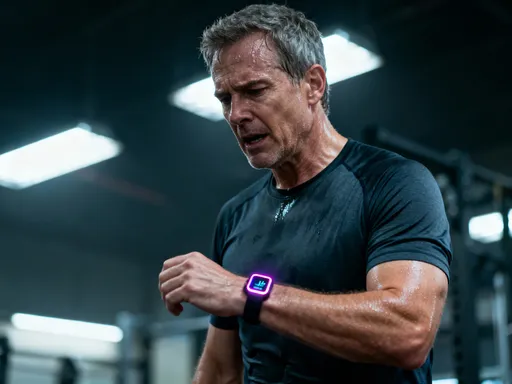
Becoming aware of your body’s signals starts with consistent practice and mindful observation. You don’t need advanced equipment to gather useful information. What matters is paying attention to patterns over time. One of the most telling signs is recovery heart rate. After a 30-second sprint or a set of jump squats, your heart rate should begin to drop within a minute. A healthy drop is typically 12 to 20 beats per minute in the first 60 seconds. If your heart rate lingers above 100 beats per minute for several minutes after stopping, it may indicate reduced cardiovascular fitness or underlying stress.
Perceived exertion is another valuable tool. The Borg Scale, a widely used measure in exercise science, asks individuals to rate how hard they feel they’re working on a scale of 6 to 20. If a workout that once felt like a 13 (somewhat hard) now feels like a 16 (hard) despite no changes in intensity, it could signal fatigue, dehydration, or an emerging health issue. Similarly, if you’re gasping for air during movements that previously caused only moderate breathlessness, it’s worth pausing to consider why.
Muscle response is equally telling. Delayed onset muscle soreness (DOMS) is normal after new or intense activity, but if soreness lasts more than three days or spreads to joints, it may suggest poor recovery capacity or inflammation. Joint discomfort during movements like lunges or jumps—especially if it wasn’t there before—could point to biomechanical imbalances or early joint stress.
To track these signals effectively, keep a simple log. Note your energy level before the workout, your perceived effort during, and how you feel in the hours and days after. Record your resting heart rate each morning, as a gradual increase over weeks can indicate overtraining or underlying health changes. Over time, this data becomes a personal baseline, helping you recognize when something is off. Remember, the goal isn’t perfection—it’s awareness. You’re not looking for flawless performance, but for consistency in how your body responds.
How to Use HIIT Safely for Health Awareness
For those new to HIIT, starting safely is essential. The goal is not to push to exhaustion but to build capacity gradually while tuning into your body’s feedback. A beginner-friendly approach might include three sessions per week, each lasting 15 to 20 minutes, with at least one rest day in between. Each session can follow a 1:2 work-to-rest ratio—for example, 30 seconds of effort followed by 60 seconds of active recovery.
A sample workout could begin with a 3-minute warm-up of marching in place, arm circles, and bodyweight squats. Then, perform four rounds of: 30 seconds of modified jumping jacks (or step-outs if jumping is uncomfortable), 30 seconds of knee lifts, and 30 seconds of wall push-ups. Rest for 60 seconds between rounds. As fitness improves, you can increase the work interval to 45 seconds or add a fifth round. Using bodyweight exercises minimizes injury risk and requires no equipment.
For those with access to a stationary bike or treadmill, a low-impact option could include 30 seconds of fast pedaling or brisk walking with arms pumping, followed by 60 seconds of slow cycling or easy walking. The key is to feel challenged but not overwhelmed. You should be able to complete the session with good form and recover within a reasonable time.
Before starting any new exercise program, especially HIIT, individuals with chronic conditions, high blood pressure, or a history of heart issues should consult a healthcare provider. This isn’t a barrier—it’s a safeguard. Medical clearance ensures you can train confidently, knowing you’re not putting yourself at risk. Equally important is avoiding overtraining. More is not always better. Excessive HIIT without adequate recovery can lead to burnout, injury, or suppressed immune function. Balance is key: pair HIIT with rest, hydration, and nutritious food to support recovery.
Beyond Fitness: HIIT as a Health Feedback Loop
When practiced consistently, HIIT becomes more than a workout—it becomes a feedback system. Each session offers real-time data on how your body is functioning. Over weeks and months, improvements in performance—such as shorter recovery times, less breathlessness, or the ability to complete more rounds—can reflect positive changes in your internal health. These gains often parallel improvements in blood pressure, insulin sensitivity, and inflammation levels, even before lab tests confirm them.
This feedback loop can be deeply motivating. Seeing tangible progress reinforces healthy habits. A woman in her 50s might start HIIT to maintain strength and find that after eight weeks, she climbs stairs without getting winded. Her resting heart rate drops from 78 to 70 beats per minute. She feels more energetic throughout the day. These changes aren’t just fitness wins—they’re signs that her cardiovascular and metabolic systems are becoming more efficient.
Moreover, the routine nature of HIIT allows for consistent tracking. Unlike occasional doctor visits, which offer snapshots, weekly workouts provide a continuous stream of information. If performance begins to decline despite consistent effort, it may prompt a check-in with a healthcare provider. This proactive approach—using exercise as a monitoring tool—can lead to earlier interventions and better long-term outcomes.
It’s also empowering. Instead of feeling passive about health, you become an active participant. You’re not waiting for symptoms to appear; you’re paying attention to how your body responds in real time. This sense of agency can improve mental well-being, reduce health anxiety, and foster a deeper connection to your physical self.
When to Seek Help: From Signal to Screening
There’s a difference between normal discomfort and warning signs. Muscle fatigue, mild soreness, and temporary breathlessness are expected during and after HIIT. But persistent symptoms—such as chest tightness, dizziness, irregular heartbeats, or extreme shortness of breath—should never be ignored. These could indicate underlying cardiovascular or respiratory issues that require medical evaluation.
Similarly, if you notice a consistent decline in performance despite adequate rest and nutrition, it’s time to consult a professional. Unexplained fatigue, prolonged recovery, or new joint pain that doesn’t resolve with rest may point to conditions like anemia, thyroid dysfunction, or early arthritis. While HIIT can highlight these concerns, it cannot diagnose them. Only a healthcare provider can interpret symptoms in the context of your full medical history and order appropriate tests.
The message isn’t to fear exercise, but to respect it as a powerful tool. HIIT is not a replacement for medical care, but it can be a catalyst for it. By listening to your body, you gain insight. By acting on that insight, you take control. Health isn’t just the absence of disease—it’s the presence of vitality, resilience, and awareness. And sometimes, the first sign of a problem isn’t a number on a lab report, but the way you feel after 30 seconds of jumping jacks.