What I Got Wrong About Hair Care — And Why Diet Made All the Difference
We all want stronger, shinier hair, but what if the secret isn’t in your shampoo? I spent years chasing perfect hair with expensive treatments—only to realize my diet was sabotaging everything. Turns out, hair health starts from within. This is what I learned after finally connecting the dots between nutrition and breakage, thinning, and dullness. It wasn’t until I shifted my focus from external products to internal nourishment that I began to see real, lasting changes. What I thought was a hair problem turned out to be a health one—and I wasn’t alone.
The Haircare Trap I Fell Into
For more than a decade, I believed that great hair came from a carefully curated bathroom shelf. My collection included serums for split ends, deep-conditioning masks, scalp exfoliants, and heat-protectant sprays. I rotated products religiously, followed influencer routines, and even invested in a high-end hair dryer promising salon-quality results. Yet, no matter how meticulous my regimen, my hair remained prone to breakage, lacked volume, and grew at what felt like a snail’s pace. I chalked it up to genetics or stress, never considering that my daily habits beyond the bathroom might be the real issue.
The turning point came after a routine haircut when my stylist gently asked if I’d been unwell. Her comment startled me—I felt fine—but she pointed out the increased shedding and finer strands. That moment forced me to question whether my approach to hair care was fundamentally flawed. I had treated my hair like a project to be fixed rather than a reflection of my body’s overall condition. It dawned on me that no amount of argan oil or keratin treatment could compensate for what my body might be missing internally. This realization marked the beginning of a deeper investigation into how nutrition influences hair health.
External products can improve appearance temporarily—smoothing frizz, adding shine, or protecting from damage—but they don’t address the biological processes that determine how hair grows and stays strong. Hair is non-living by the time it emerges from the scalp; its structure and quality are determined long before it becomes visible. That means the root of the problem—and the solution—lies beneath the surface, in the health of the hair follicle and the body’s ability to support it. My journey away from product dependency began with this simple truth: sustainable hair health is built from the inside out.
Why Hair Is a Mirror of Your Nutrition
Hair growth is a complex biological process that depends heavily on the body’s nutritional status. Each strand begins as a living cell in the hair follicle, where rapid division and protein synthesis occur. This process requires a steady supply of essential nutrients to function optimally. When those nutrients are lacking, the body prioritizes vital organs over hair growth, often leading to visible changes in hair texture, thickness, and growth rate. In this way, hair acts as a sensitive indicator of internal health—often revealing deficiencies before other symptoms appear.
Several key nutrients play critical roles in maintaining healthy hair. Protein is foundational, as hair is primarily made of keratin, a structural protein. Without adequate dietary protein, the body may slow hair production or produce weaker strands. Biotin, a B-vitamin, supports keratin production and is often associated with hair and nail strength, though deficiency is rare in well-nourished individuals. Iron is crucial for oxygen transport to hair follicles; low iron levels, especially in women, are strongly linked to hair thinning and shedding. Zinc contributes to hair tissue growth and repair, while omega-3 fatty acids nourish the scalp, reduce inflammation, and support natural oil production.
Vitamins A, C, D, and E also play supportive roles. Vitamin A helps regulate sebum production, but excess can lead to hair loss—a reminder that balance matters. Vitamin C is essential for collagen production and iron absorption, both important for hair structure. Vitamin D receptors are present in hair follicles, and research suggests a link between low vitamin D levels and certain types of hair loss. Vitamin E, a potent antioxidant, helps protect hair from oxidative stress caused by environmental factors. Together, these nutrients form a network of support that keeps hair growing strong and resilient.
When one or more of these nutrients are insufficient, the effects often show up in the hair first. Chronic deficiencies may lead to increased shedding, slower growth, dryness, brittleness, or even changes in hair color and texture. While these changes can be distressing, they also serve as early warning signs—invitations to examine overall dietary patterns and consider whether the body is receiving the fuel it needs. Addressing these gaps through food is often the most sustainable and effective approach.
Common Dietary Mistakes That Harm Hair
Despite good intentions, many common eating habits can inadvertently undermine hair health. One of the most prevalent issues is dietary restriction—especially when it comes to protein and calories. Many women in their 30s to 50s adopt low-calorie or highly restrictive diets in an effort to manage weight, not realizing that such approaches can deprive the body of essential nutrients needed for hair growth. When calorie intake drops too low, the body enters a conservation mode, slowing non-essential functions like hair cycling. This can lead to a condition known as telogen effluvium, where a larger-than-normal number of hairs enter the resting phase and shed weeks or months later.
Similarly, diets that are chronically low in protein—such as some poorly planned vegetarian or vegan regimens—can impair keratin synthesis. Without enough amino acids from dietary protein, the body cannot maintain normal hair production. This doesn’t mean everyone needs to eat meat, but it does highlight the importance of including high-quality plant-based proteins like lentils, tofu, tempeh, quinoa, and nuts. The key is variety and consistency, ensuring that protein intake is adequate across the day.
Another widespread issue is the overconsumption of processed foods. Packaged snacks, refined carbohydrates, and sugary beverages may be convenient, but they often lack the micronutrients essential for hair health. These foods can also contribute to blood sugar imbalances and inflammation, both of which may negatively affect the scalp and hair follicles over time. A diet high in sugar, for instance, can lead to glycation—a process where sugar molecules attach to proteins, potentially damaging collagen and weakening hair structure.
Trends like juice cleanses, long-term fasting, or extreme detox regimens can also backfire. While short-term fasting may have some metabolic benefits for certain individuals, prolonged periods without balanced nutrition can disrupt hormonal balance and nutrient availability, directly impacting hair. Even seemingly healthy habits, like drinking only green juice for days, can lead to protein and fat deficiencies that impair hair growth. Hydration is another overlooked factor; chronic dehydration can make hair dry and brittle, while adequate water intake supports circulation to the scalp and nutrient delivery. These habits, often adopted with wellness in mind, can unintentionally do more harm than good when taken to extremes.
The Plate That Changed My Hair
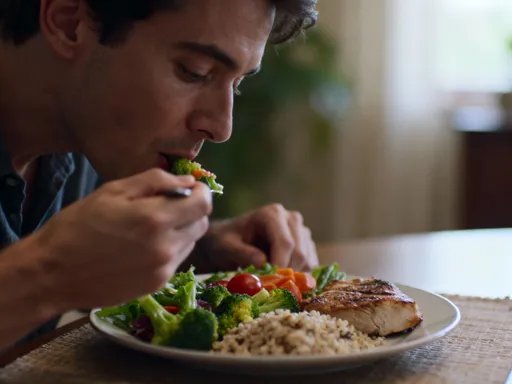
The shift in my hair health began not with a new product, but with a new mindset: from fixing to fueling. Instead of focusing on what to apply to my hair, I started asking what to put on my plate. I moved away from restrictive eating and embraced a balanced, nutrient-dense diet that supported my overall well-being—and my hair responded. This wasn’t about following a rigid plan or counting calories; it was about making sustainable, enjoyable food choices that naturally included the nutrients my hair needed.
My daily meals began to revolve around whole, unprocessed foods. I started prioritizing protein at every meal—eggs for breakfast, lentil soup or grilled chicken at lunch, and fatty fish like salmon a few times a week. These foods not only provided high-quality protein but also delivered essential nutrients like iron, zinc, and omega-3s. I increased my intake of leafy greens such as spinach and kale, which are rich in iron, folate, and vitamins A and C. Nuts and seeds—especially almonds, walnuts, and chia seeds—became regular snacks, offering healthy fats, vitamin E, and biotin.
Sweet potatoes, carrots, and bell peppers added color and beta-carotene, which the body converts to vitamin A in a regulated way—avoiding the risks of excess. Whole grains like oats and quinoa replaced refined carbohydrates, providing B-vitamins and sustained energy. I also made simple swaps: water instead of soda, herbal tea instead of sugary lattes, and dark chocolate instead of processed sweets. These changes weren’t about perfection, but about consistency and progress.
Within a few months, I noticed less shedding during brushing, improved shine, and stronger strands that were less prone to breakage. New growth appeared finer but healthier, and my scalp felt less dry. Friends and family began to comment on how my hair looked fuller and more vibrant. These changes weren’t instant, nor were they dramatic overnight—but they were real and lasting. Most importantly, I felt better overall: more energy, better digestion, and a more balanced mood. What started as a quest for better hair evolved into a deeper commitment to self-care through nutrition.
What Actually Works: Realistic Eating Principles
Based on my experience and supported by nutritional science, several principles stand out as both effective and sustainable for promoting hair health. These are not rigid rules, but flexible guidelines that can be adapted to different lifestyles and preferences.
Principle 1: Prioritize protein with every meal. Since hair is made of keratin, a steady supply of amino acids is essential. Including a source of protein at breakfast, lunch, and dinner helps maintain consistent support for hair growth. Options include eggs, Greek yogurt, cottage cheese, poultry, fish, beans, lentils, tofu, and edamame. Even small amounts—like a handful of nuts or a boiled egg—can make a difference when consumed regularly.
Principle 2: Embrace healthy fats for scalp hydration and shine. The scalp produces natural oils that condition hair, and dietary fats play a key role in this process. Omega-3 fatty acids from fatty fish, flaxseeds, chia seeds, and walnuts help reduce inflammation and support a healthy scalp environment. Monounsaturated fats from avocados, olive oil, and nuts also contribute to hair flexibility and shine. Avoiding fat-free diets is crucial—fat is not the enemy of healthy hair.
Principle 3: Eat the rainbow. Colorful fruits and vegetables provide a wide range of antioxidants, vitamins, and phytonutrients that protect hair from oxidative stress. Beta-carotene from orange produce, vitamin C from citrus and berries, and lycopene from tomatoes all contribute to hair resilience. A diverse diet ensures a broad spectrum of nutrients, reducing the risk of deficiencies that can affect hair quality.
Principle 4: Stay consistent, not perfect. No single meal will transform your hair, just as one day of poor eating won’t ruin it. The goal is long-term consistency. Occasional treats, busy days, or less-than-ideal meals are normal. What matters is the overall pattern. Progress, not perfection, leads to sustainable results. This mindset reduces guilt and supports a positive relationship with food—one that benefits both hair and overall health.
When Diet Isn’t Enough—And What to Consider
While nutrition plays a central role, it’s important to recognize that hair health is influenced by multiple factors. Stress, hormonal changes, genetics, and underlying medical conditions can all contribute to hair thinning or loss. For example, conditions like thyroid disorders, polycystic ovary syndrome (PCOS), or autoimmune-related alopecia areata are not resolved through diet alone. Similarly, major life events such as childbirth, surgery, or severe illness can trigger temporary hair shedding, even in well-nourished individuals.
If hair changes persist despite a balanced diet and healthy lifestyle, it’s wise to consult a healthcare provider. A primary care physician or dermatologist can evaluate for underlying conditions and recommend appropriate testing. Blood tests can identify deficiencies in iron, vitamin D, thyroid hormones, or other key markers that may not be apparent through symptoms alone. These tests provide objective data to guide next steps, whether that’s adjusting diet, taking supplements under supervision, or pursuing further medical evaluation.
It’s also important to avoid self-diagnosis or relying on unverified online information. While it’s empowering to take charge of your health, some conditions require professional management. Supplements, while helpful in cases of deficiency, should not be used indiscriminately. Excessive intake of certain nutrients—like vitamin A or selenium—can actually contribute to hair loss. Working with a healthcare provider ensures that any interventions are safe, evidence-based, and tailored to individual needs.
Additionally, some medications, including those for blood pressure, depression, or hormonal regulation, may have hair loss as a side effect. If you suspect a medication is affecting your hair, do not stop taking it—discuss your concerns with your doctor. They may adjust the dosage or suggest alternatives. Hair health is a complex interplay of factors, and a comprehensive approach yields the best outcomes.
Building a Hair-Healthy Lifestyle for the Long Term
True hair wellness extends beyond diet. It’s part of a holistic lifestyle that includes quality sleep, stress management, and gentle hair care practices. Sleep is when the body repairs and regenerates, including hair follicles. Chronic sleep deprivation can disrupt hormone balance and impair recovery processes, indirectly affecting hair. Aim for 7–8 hours of restful sleep each night to support overall health and hair growth.
Stress is another powerful influencer. Chronic stress elevates cortisol levels, which can shorten the hair growth cycle and trigger shedding. Mindfulness practices, regular physical activity, time in nature, or simply setting aside moments for quiet reflection can help manage stress and support hormonal balance. Even small daily rituals—like deep breathing, journaling, or walking—can make a meaningful difference over time.
Gentle hair care complements internal nourishment. Avoid excessive heat styling, tight hairstyles that pull on the scalp, and harsh chemical treatments. Use a wide-tooth comb on wet hair, choose sulfate-free shampoos, and limit washing frequency to preserve natural oils. These practices reduce mechanical damage and support the strength of already healthy hair.
Setting realistic expectations is crucial. Hair grows slowly—about half an inch per month—so visible changes take time. It may take three to six months of consistent effort before improvements become noticeable. Celebrate small wins: less shedding, a new baby hair at the hairline, or improved texture. These signs indicate that your body is responding.
Hair health is not about vanity; it’s a reflection of self-respect and overall well-being. By treating it as part of a broader commitment to health, you foster a more compassionate and sustainable relationship with your body. The journey isn’t about achieving perfection, but about showing up consistently with care and intention.